ترك رسالة
إذا كنت مهتمًا بمنتجاتنا وتريد معرفة المزيد من التفاصيل، فيرجى ترك رسالة هنا، وسوف نقوم بالرد عليك في أقرب وقت ممكن.

لم يعد التزييف مشكلة تقتصر على التغليف فقط. فبالنسبة للأدوية، والنبيذ والمشروبات الروحية الفاخرة، ومستحضرات التجميل، والسلع الفاخرة، وغيرها من المنتجات عالية القيمة، غالباً ما يظهر الخطر الأكبر في سلسلة التوريد: السلع المقلدة، والتغليف المعاد استخدامه، والمنتجات المعاد تسميتها، وتحويل السوق السوداء.
أدوات مكافحة التزييف التقليدية لها حدود. يمكن نسخ رموز الاستجابة السريعة (QR codes)، ويمكن تكرار الأرقام التسلسلية، ويمكن تقليد الصور المجسمة (holograms). تحتاج العلامات التجارية إلى نظام هوية للمنتج يدعم تتبع الخدمات اللوجستية والتحقق من كل منتج على حدة.
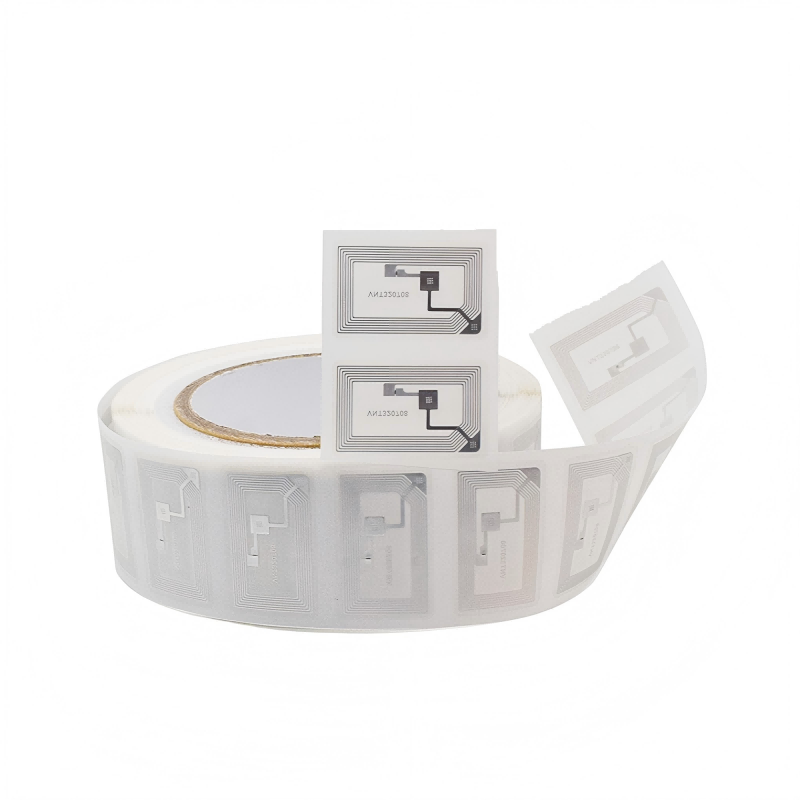
هنا تبرز أهمية ملصقات RFID ثنائية التردد UHF + NFC. يدعم تردد UHF القراءة من مسافات بعيدة في المستودعات وقنوات التوزيع، بينما يدعم تردد NFC المصادقة من مسافة قريبة من قِبل المفتشين وتجار التجزئة والمستهلكين باستخدام الهواتف الذكية.
ما هي علامة UHF + NFC RFID؟
A ملصق RFID ثنائي التردد تجمع هذه التقنية بين تقنيتين من تقنيات تحديد الهوية بموجات الراديو (RFID) في ملصق واحد. تعمل تقنية UHF عادةً في نطاق 860-960 ميجاهرتز وتُستخدم للقراءة عن بُعد وعلى دفعات. أما تقنية NFC فتعمل بتردد 13.56 ميجاهرتز وتُستخدم للقراءة عن بُعد.
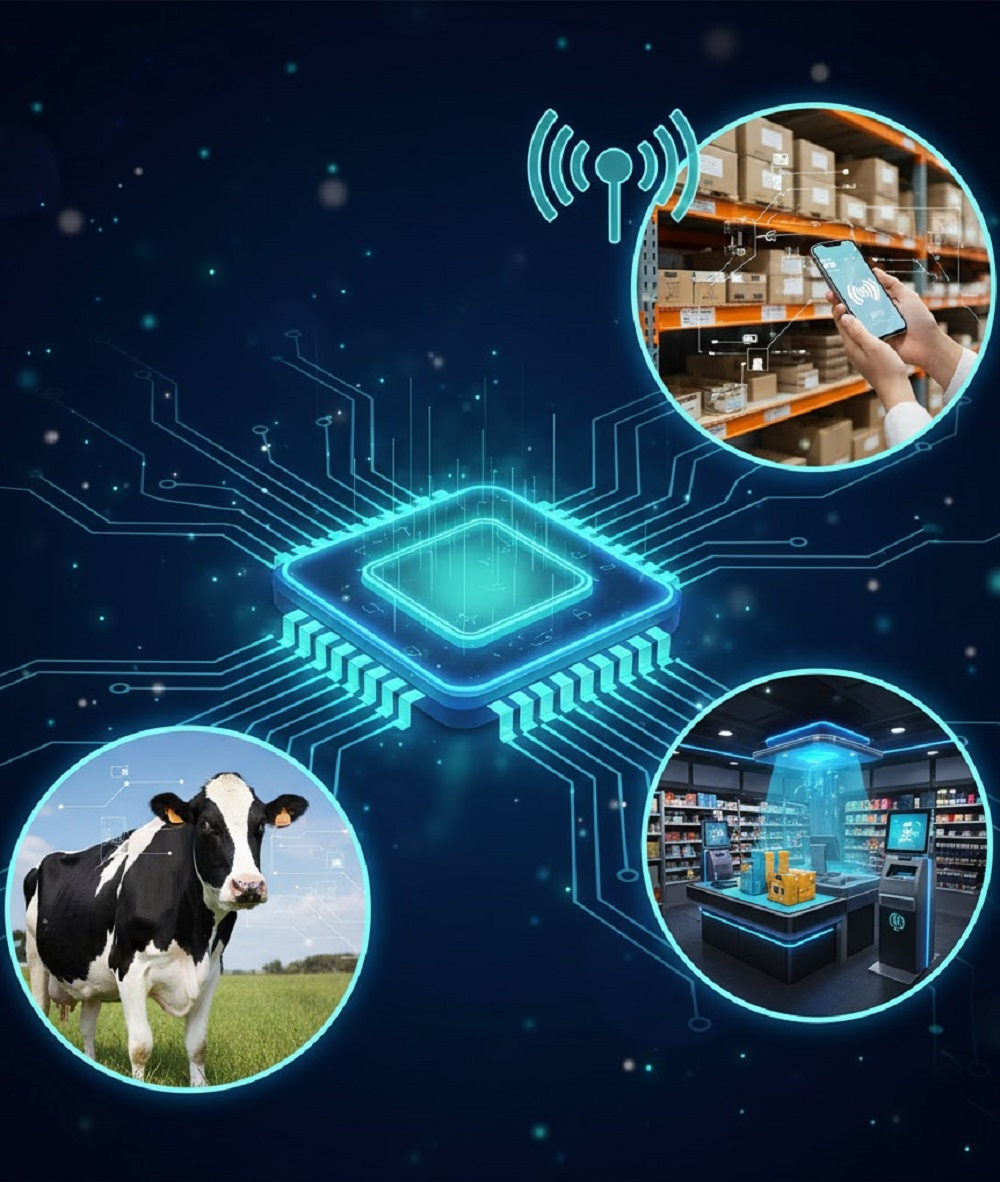
في مجال الخدمات اللوجستية، يمكن لتقنية الترددات العالية جدًا (UHF) قراءة الكراتين أو الصناديق أو المنصات دون الحاجة إلى فتحها. كما يمكن لمشغلي المستودعات مسح منتجات متعددة ضوئيًا عبر أبواب التحميل أو أنظمة النقل دون الحاجة إلى خط رؤية مباشر. على مستوى البيع بالتجزئة أو الاستهلاك، تتيح تقنية الاتصال قريب المدى (NFC) التحقق من صحة منتج واحد عبر الهاتف. يمكن للمستخدم النقر على الملصق للتحقق من أصالة المنتج، ومعلومات الدفعة، وحالة الضمان، أو بلد المنشأ.
لماذا تحتاج العلامات التجارية إلى كل من تقنية UHF وتقنية NFC
تتميز تقنية UHF بقدرتها الفائقة على التحكم في سلسلة التوريد، حيث تساعد العلامات التجارية على تسجيل حركة المنتجات من المصنع إلى المستودع، ثم الموزع، وصولاً إلى قنوات البيع بالتجزئة. وهذا أمر بالغ الأهمية لكشف أي ثغرات في قنوات التوزيع أو تحويل المنتجات إلى السوق السوداء.
مع ذلك، لا يُعدّ استخدام تقنية UHF مناسبًا للمستهلكين لأن معظمهم لا يملكون أجهزة قراءة UHF. يُقدّم نظام NFC حلًا لهذه المشكلة، حيث يُمكن للعميل أو الصيدلي أو المفتش أو مدير المتجر تمرير هاتفه الذكي على المنتج للتحقق من هويته.
لا تكفي تقنية الاتصال قريب المدى (NFC) وحدها. فليس من العملي لموظفي المستودعات تمرير آلاف المنتجات واحدًا تلو الآخر. أما في مجال الخدمات اللوجستية واسعة النطاق، فإن تقنية الترددات العالية جدًا (UHF) أكثر كفاءة. ولذلك، فإن الجمع بين تقنيتي UHF وNFC يُحسّن الأداء.
التطبيقات الصيدلانية
في مجال صناعة الأدوية، قد تُشكّل المنتجات المقلدة أو المُحوّلة مخاطر على السلامة والامتثال. تُساعد تقنية تحديد الهوية بموجات الراديو فائقة التردد (UHF RFID) على تتبع الكراتين والعبوات الفردية أثناء التخزين والتوزيع، مما يُقلل من عمليات المسح اليدوي ويُحسّن إمكانية التتبع.
تدعم تقنية الاتصال قريب المدى التحقق من قبل الصيادلة والمستشفيات والمفتشين والموزعين المعتمدين. ويمكن ربط العبوة ببيانات الدفعة أو معلومات انتهاء الصلاحية أو سجلات المصادقة بمجرد تمريرة واحدة.
تتطلب عبوات الأدوية تصميمًا دقيقًا لتقنية تحديد الهوية بموجات الراديو (RFID). قد تؤثر عبوات البليستر المصنوعة من الألومنيوم، والأختام المصنوعة من رقائق الألومنيوم، والكرتون الصغير، وسلسلة التبريد على أداء القراءة. لذا، ينبغي اختبار الملصقات على العبوة الأصلية قبل الإنتاج بكميات كبيرة.
تطبيقات النبيذ والمشروبات الروحية الفاخرة
تواجه صناعة النبيذ والمشروبات الروحية مشاكل مثل إعادة استخدام الزجاجات، وإعادة تعبئتها، واستخدام ملصقات مزيفة، وإعادة بيعها دون ترخيص. بإمكان UHF مساعدة العلامات التجارية على تتبع الصناديق والزجاجات خلال مراحل الإنتاج والتصدير والتخزين والتوزيع. تتيح تقنية الاتصال قريب المدى (NFC) لتجار التجزئة والمستهلكين التحقق من الزجاجة قبل شرائها. كما يمكنها ربط المستخدمين بمعلومات المنشأ، وتفاصيل سنة الإنتاج، ومحتوى العلامة التجارية، أو التحقق من المنتجات المقلدة.
يؤثر السائل على أداء تقنية تحديد الهوية بموجات الراديو (RFID)، وخاصةً في نطاق الترددات العالية جدًا (UHF). ويُعد شكل الزجاجة ومستوى التعبئة وموضع الملصق ومادة التغليف عوامل مهمة. لذا، يُعد تصميم الهوائي واختبار موضعه أمرًا بالغ الأهمية في هذه الفئة.
تطبيقات السلع عالية القيمة
تحتاج السلع الفاخرة ومستحضرات التجميل والإلكترونيات وتغليف المجوهرات وقطع الغيار عالية الجودة إلى رقابة أقوى على هوية المنتج. وغالبًا ما يقلد المزوّرون المنتج والتغليف على حد سواء.
يمكن لتقنية UHF دعم مراقبة المخزون وإدارة المتجر. ويمكن لتقنية NFC دعم مصادقة العملاء، وتفعيل الضمان، وسجلات الإصلاح، وخدمة ما بعد البيع. بالنسبة للسلع ذات القيمة العالية، يجب أن تستوفي الملصقة متطلبات التغليف. قد يلزم إخفاؤها تحت مواد مطبوعة، أو وضعها داخل بطاقة تعليق، أو استخدامها كختم للصندوق. يجب أن يوازن التصميم بين أداء الترددات اللاسلكية، والمظهر، وقوة اللصق، ومقاومة العبث.
لماذا يصعب إنتاج ملصقات RFID ثنائية التردد
لا يقتصر تصميم ملصق UHF + NFC على مجرد وضع بطاقتين متجاورتين. يجب أن تعمل الهوائيتان ضمن نفس المساحة المحدودة دون تداخل. قد يؤدي التصميم غير المتقن إلى تقليل مسافة قراءة UHF أو جعل عملية التنصت عبر NFC غير مستقرة.
يُعد التحكم في الإنتاج أمرًا بالغ الأهمية أيضًا. فعملية ربط الرقائق، ومحاذاة الهوائي، واختيار المادة اللاصقة، وضغط التغليف، وشد اللفائف، والقطع بالقالب، والترميز، والاختبار النهائي، كلها تؤثر على الأداء. في مشاريع حماية العلامة التجارية، يُعدّ معدل الإنتاجية عاملاً بالغ الأهمية. قد تجتاز بعض العينات الاختبارات، لكن الإنتاج الضخم يتطلب معدلات قراءة ثابتة وجودة متسقة. انخفاض الإنتاجية قد يزيد التكلفة، ويؤخر التسليم، ويُعرّض عملية الإطلاق للخطر.
ميزة التصنيع لدى RFIDfactory
تدعم RFIDfactory ملصقات UHF + NFC RFID المخصصة للأدوية والنبيذ والمشروبات الروحية الفاخرة ومستحضرات التجميل والسلع الفاخرة والإلكترونيات وغيرها من المنتجات عالية القيمة. تكمن ميزتنا التنافسية في تصنيع المواد المركبة ثنائية التردد. فنحن نتحكم في مطابقة الهوائي، ووضع الرقائق، ومحاذاة الطبقات، والتصفيح، والترميز، واختبار الترددات اللاسلكية لتحسين استقرار الإنتاج ومعدل الإنتاجية.
تتطلب المنتجات المختلفة تصميمات ملصقات مختلفة. لا ينبغي استخدام نفس التصميم افتراضيًا لعلبة دواء، وزجاجة ويسكي، وعلبة مستحضرات تجميل، وعبوة إلكترونيات. نقوم بتقييم سطح المنتج، ومادة التغليف، وموضع الملصق، وسيناريو القراءة قبل التوصية بالحل.
كيفية اختيار ملصق UHF + NFC المناسب
ينبغي على العلامات التجارية البدء بالتطبيق. بالنسبة لتقنية UHF، يجب التأكد من مسافة القراءة، ونوع القارئ، وسرعة المسح، وكثافة العبوة، وما إذا كان الملصق يُستخدم على مستوى المنتج أو العلبة أو المنصة. بالنسبة لتقنية NFC، تأكد من موضع النقر، وذاكرة الشريحة، وتشفير عنوان URL، ومنطق المصادقة، وما إذا كان التصميم المقاوم للعبث مطلوبًا.
يُعد اختيار المواد أمرًا بالغ الأهمية. فلكلٍّ من البولي إيثيلين تيريفثالات (PET)، والورق المطلي، والورق الهش، والأغشية المقاومة للعبث، والمواد اللاصقة القوية، ملاءمةٌ لمنتجاتٍ مختلفة. وقد يؤدي استخدام المادة الخاطئة إلى ضعف الالتصاق، وعدم استقرار القراءة، أو مشاكل في التغليف.
دعوة نهائية لاتخاذ إجراء
إذا كانت علامتك التجارية تخطط لتحديث أنظمة مكافحة التزييف أو مكافحة التحويل في عام 2026، مصنع RFID يمكننا مساعدتك في اختبار وتطوير ملصق UHF + NFC RFID المناسب.
أرسل إلينا صور منتجك، وحجم الملصق، ومواد التغليف، ومتطلبات القراءة. يمكن لفريقنا تقديم اختبارات للعينات، واقتراحات للهوائيات، ودعم التشفير، وإنتاج مخصص لتطبيقك الفعلي.


 شبكة IPv6 مدعومة
الدردشة الآن
مسح ضوئي إلى WeChat :

مسح ضوئي إلى WhatsApp :

 فئات المنتجات