ترك رسالة
إذا كنت مهتمًا بمنتجاتنا وتريد معرفة المزيد من التفاصيل، فيرجى ترك رسالة هنا، وسوف نقوم بالرد عليك في أقرب وقت ممكن.

ملخص تنفيذي - ما هو حقيقي ومهم في عام 2026
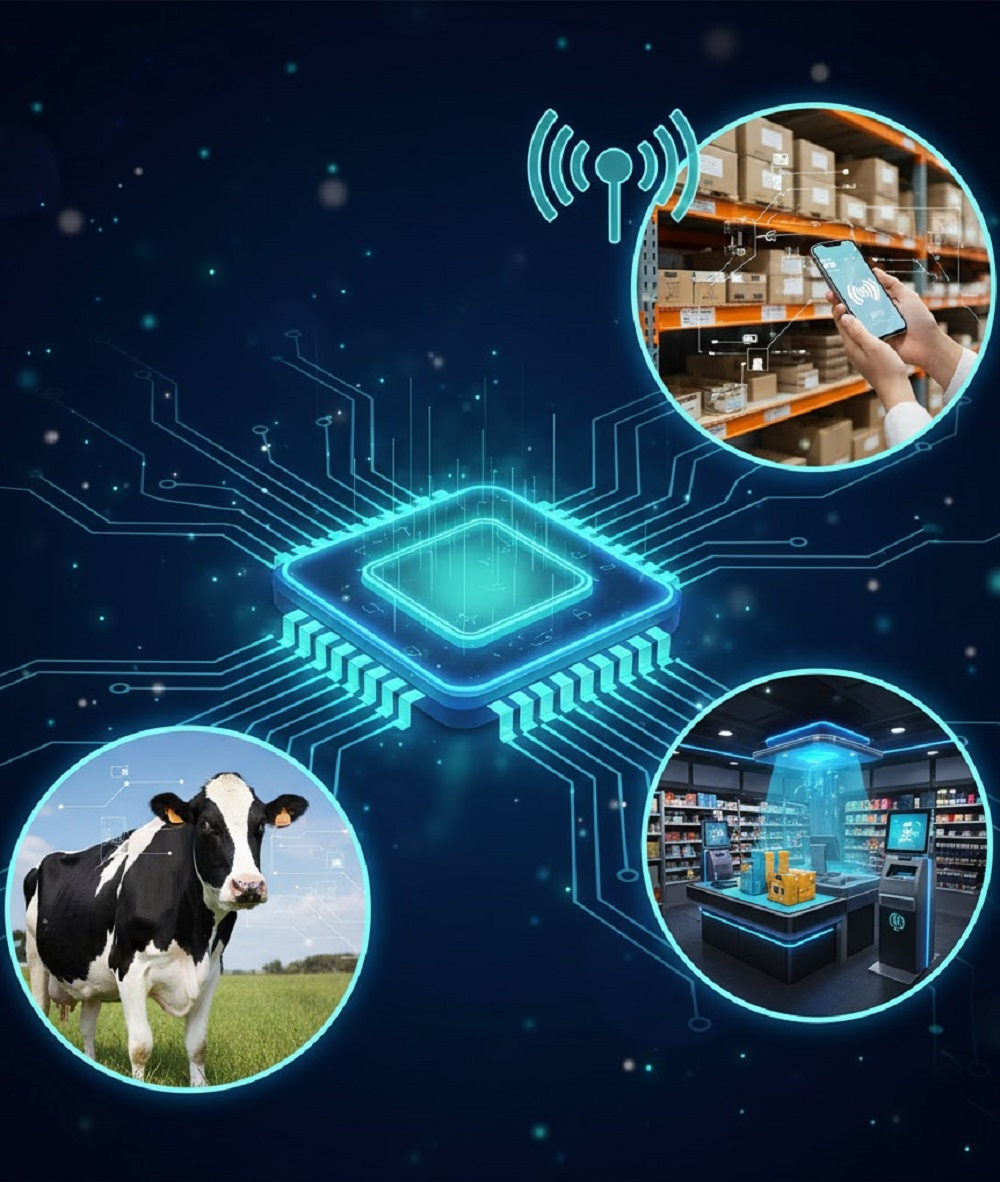
تنتقل تقنية تحديد الهوية بموجات الراديو (RFID) من مجرد طبقة استشعار/تحديد هوية إلى بنية تحتية ذكية وآمنة على مستوى المنتج، تدعم الأتمتة والشفافية ومكافحة التزييف في قطاعات التجزئة والخدمات اللوجستية والتصنيع والصناعات الخاضعة للتنظيم. أهم التوجهات المؤكدة لعام 2026:
RFID → مسارات الذكاء الاصطناعي: يتم استخدام تدفقات أحداث RFID كمدخلات أساسية للتعلم الآلي والعمليات في الوقت الفعلي.
مقياس البيع بالتجزئة على مستوى المنتج: يقوم تجار التجزئة بتوسيع نطاق وضع العلامات على مستوى المنتج من المراحل التجريبية إلى عمليات نشر واسعة النطاق للوصول إلى دقة جرد شبه حقيقية.
نضج تقنية تحديد الهوية بموجات الراديو بدون رقاقةإن التطورات في مجال المواد والإلكترونيات المطبوعة تجعل تقنية تحديد الهوية بموجات الراديو بدون رقائق قابلة للتطبيق في حالات الاستخدام المستهدفة منخفضة التكلفة.
الأمن والتحكم في دورة الحياةتزداد الحاجة إلى ميزات العلامات المشفرة وأجهزة استشعار العبث وممارسات سلسلة الحفظ للسلع عالية القيمة والخاضعة للتنظيم.
تطور القارئ والحافةتتيح أجهزة القراءة الثابتة متعددة الهوائيات والحوسبة الطرفية في أجهزة القراءة حساسية على مستوى الرف وإجراءات شبه فورية.
تجمع قاعدة الأدلة بين إرشادات المعايير والأبحاث التي تمت مراجعتها من قبل النظراء والأوراق البيضاء للبائعين وتوقعات السوق - مما يشير معًا ليس فقط إلى الضجة الإعلامية ولكن إلى عمليات نشر قابلة للقياس وابتكار المنتجات.
التحقق من الاتجاهات والتفاصيل الفنية
تغذية الذكاء الاصطناعي بتقنية RFID - معلومات تشغيلية من تدفقات الأحداث
ماذا يحدثتقوم قارئات RFID والبرمجيات الوسيطة حاليًا ببث الأحداث المُوحدة إلى وسطاء الأحداث ومسارات التحليل. تُستخدم تدفقات البيانات هذه للتجديد التنبؤي، واكتشاف الحالات الشاذة، وتحسين مسار الانتقاء. تشمل أنماط التنفيذ: تصفية الحواف ← ناقل الرسائل ← معالجة التدفقات ← نماذج التعلم الآلي ← التنسيق/التنبيهات.
تداعياتينبغي على المنفذين توحيد مخططات الأحداث، وتطبيق التصفية على مستوى الحافة، والتخطيط لإعادة تدريب نموذج التعلم الآلي باستخدام دورات الحقيقة الأرضية.
أصبح وضع العلامات على مستوى المنتج أمراً شائعاً في تجارة التجزئة والخدمات اللوجستية متعددة القنوات
ماذا يحدثتتجه عمليات نشر أنظمة التغليف في متاجر التجزئة الكبرى من مرحلة التجارب الأولية إلى حملات شاملة لوضع العلامات على مستوى كل منتج في المتجر. وتشمل الفوائد الموضحة في دراسات الحالة تحسين دقة المخزون، وتسريع عمليات الجرد الدوري، وتحسين عمليات التوصيل من الإنترنت إلى المتجر. وتقدم GS1 إرشادات عملية حول التغليف وإشعارات المستهلك لدعم عمليات التنفيذ الموحدة.
تداعياتينبغي على المشترين اعتماد مخططات GS1 EPC لضمان قابلية التشغيل البيني للموردين، واختيار العلامات المعتمدة لمواد المنتج، وتجهيز نقاط القراءة في كل من المتجر والمستودع الخلفي.
تقنية تحديد الهوية بموجات الراديو بدون شريحة - واعدة لحالات الاستخدام ذات الحجم الكبير والقيمة المنخفضة
ماذا يحدثلقد ساهمت الأبحاث الحديثة في مجال المواد وتقنيات الرنانات القابلة للطباعة في تطوير تقنية تحديد الهوية بموجات الراديو (RFID) بدون رقائق بشكل ملحوظ. ورغم أن نطاقات التغطية وكثافة البيانات لا تزال أقل من نطاقات وكثافة البيانات في بطاقات السيليكون، إلا أن التقنيات بدون رقائق توفر تكلفة منخفضة للغاية للوحدة الواحدة، فضلاً عن مزايا بيئية تتمثل في سهولة استخدام العبوات ذات الاستخدام الواحد والكشف البسيط عن وجود المستخدم.
تداعيات: تشغيل تجارب تحكمية في عمليات التعبئة والتغليف وتدفقات السلع التي تستخدم لمرة واحدة؛ التحقق من نطاقات القراءة والتفرد في ظل ضوضاء الترددات اللاسلكية في العالم الحقيقي؛ النظر في عمليات النشر الهجينة.
الأمن، والمصادقة، وكشف التلاعب
ماذا يحدثتتطلب العلامات التجارية والقطاعات الخاضعة للتنظيم التحقق من صحة البيانات على مستوى العلامة، والكشف عن حالات العبث، وتسجيل دورة حياة المنتج لردع التزييف وتأمين عمليات الإرجاع/إعادة التصنيع. وتوصي المعايير وإرشادات تجار التجزئة بشكل متزايد بإشعارات الخصوصية وعمليات دورة حياة المنتج.
تداعيات: تقييم العلامات التي تدعم الميزات المشفرة، وتصميم واجهات برمجة تطبيقات التحقق الخلفية، ودمج أجهزة استشعار العبث أو علامات تغيير الحالة غير القابلة للعكس للسلع المختومة.
تطور أجهزة القراءة والحوسبة الطرفية
ماذا يحدثتتطور أجهزة القراءة باستمرار لتشمل هوائيات متعددة، وحساسية أفضل على مستوى الرفوف، ووحدات معالجة مدمجة لتشغيل عمليات التصفية والنماذج الخفيفة محليًا. غالبًا ما تُستخدم أجهزة القراءة الثابتة الآن كبوابات طرفية تقلل الاعتماد على الحوسبة السحابية لاتخاذ القرارات العاجلة.
تداعيات: تصميم شبكات قارئات لتغطية البوابات والرفوف والمناطق ذات الحركة المرورية العالية؛ تضمين إدارة البرامج الثابتة عن بعد وقياسات الصحة عن بعد؛ التخطيط لتدفق البيانات والسعة من الحافة إلى السحابة.
سياق السوق وإشارات التبني
تشير التوقعات السوقية الحديثة إلى نمو مطرد في منظومة تقنية تحديد الهوية بموجات الراديو (RFID). وتؤثر الاختلافات الإقليمية في تبني هذه التقنية بشكل ملحوظ. كما تدعم استثمارات كبار تجار التجزئة وتوقعات سوق IDTechEx استمرار معدل النمو السنوي المركب خلال العقد القادم.
قائمة مختصرة قابلة للتنفيذ للمنتجات والتقنيات
الوسوم
• علامات UHF على مستوى العنصر.
• علامات تردد مزدوج HF/NFC + UHF للتفاعل المشترك مع المستهلك وإدارة المخزون.
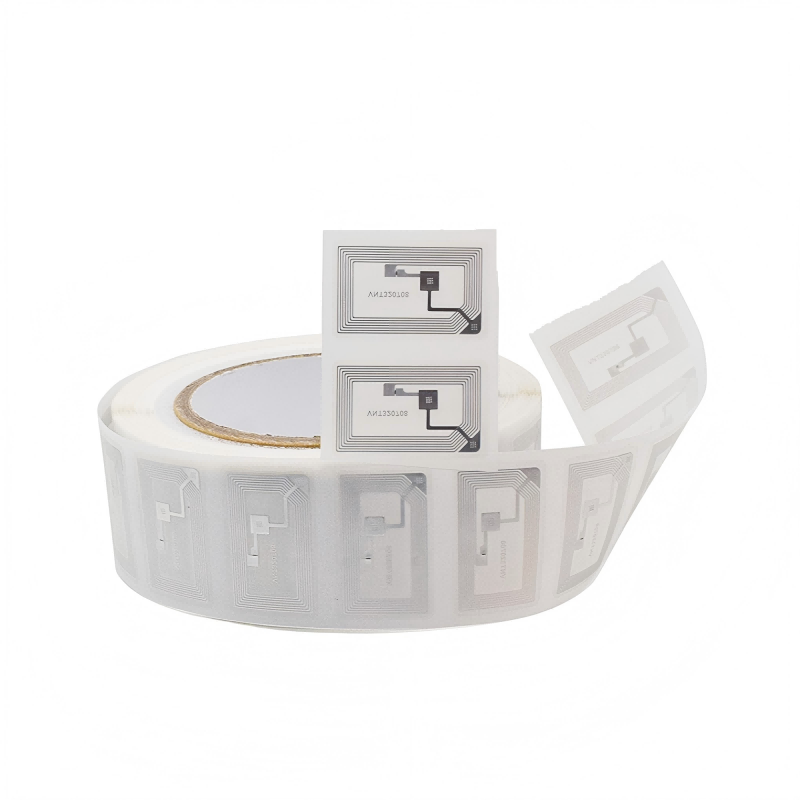
• ملصقات رنانة قابلة للطباعة / بدون رقائق لتجارب التغليف التي تستخدم لمرة واحدة.
ريدرز آند إيدج
• أجهزة قراءة ثابتة متعددة الهوائيات للبوابات ومصفوفات الرفوف.
• أجهزة قراءة محمولة مزودة بحساسية UHF محسنة لسير العمل الاستثنائي.
• بوابات طرفية مزودة بموصلات MQTT/Kafka واستدلال محلي اختياري للتعلم الآلي.
البرمجيات والتكامل
• برنامج وسيط يقوم بتوحيد أحداث RFID، وإزالة التكرارات من القراءات، ويوفر موصلات لأنظمة إدارة المستودعات/نقاط البيع/تخطيط موارد المؤسسات.
• معالجة البيانات المتدفقة + خط أنابيب التعلم الآلي للتجديد التنبؤي واكتشاف الحالات الشاذة.
حماية
• علامات تدعم المصادقة بالتحدي والاستجابة أو رموز EPC الموقعة؛ علامات مؤشر حالة العبث للشحنات المختومة.
خارطة طريق عملية للنشر
• المرحلة التجريبية — اختر متجرًا واحدًا أو منطقة مستودع؛ وقم بقياس دقة المخزون الأساسية، ومعدلات القراءة، ووقت المعالجة. حدد مؤشرات الأداء الرئيسية.
• التوحيد القياسي — اعتماد تنسيقات GS1 EPC وقواعد وضع العلامات وممارسات إشعار المستهلك لتجارة التجزئة.
• توسيع نطاق البنية التحتية - نشر أجهزة قراءة ثابتة عند البوابات/الرفوف، وتوفير أجهزة محمولة، وإضافة طباعة/ترميز RFID في المراكز.
• تمكين الذكاء - بث أحداث RFID إلى نماذج التحليلات والتعلم الآلي؛ ابدأ بنماذج منخفضة المخاطر ثم انتقل إلى التجديد التنبؤي.
• تعزيز الأمن ودورة الحياة — إضافة مصادقة العلامات عند الحاجة؛ تصميم سلسلة الحفظ للسلع الخاضعة للتنظيم.
المخاطر والقيود واحتياجات البحث
• القيود المتعلقة بالمعالجة بدون رقائق: انخفاض المدى والسعة يعني أنها ليست بديلاً شاملاً - استخدمها بشكل انتقائي وتحقق من صحتها في بيئات حقيقية.
• إدارة التغيير التشغيلي: تنجح تقنية تحديد الهوية بموجات الراديو (RFID) عند إعادة تصميم العمليات التجارية. استثمر في تدريب الموظفين ومعالجة الحالات الاستثنائية.
• الخصوصية والامتثال: يُعدّ إشعار المستهلك وحوكمة البيانات أمراً بالغ الأهمية، لا سيما فيما يتعلق بوضع العلامات على مستوى المنتج في قطاع التجزئة. اتبع إرشادات GS1 بشأن إشعار المستهلك.
خاتمة
بحلول عام 2026، لم تعد تقنية تحديد الهوية بموجات الراديو (RFID) مجرد تقنية مسح ضوئي، بل أصبحت مصدرًا للبيانات، وعند دمجها مع الحوسبة الطرفية والذكاء الاصطناعي، تُمكّن من أتمتة العمليات، ورؤية شاملة للمنتجات، وتعزيز أمانها. تكمن أبرز الفرص المتاحة على المدى القريب في وضع علامات على المنتجات في قطاع التجزئة، ونشر أجهزة القراءة الطرفية، والاستخدام الموجه للعلامات غير المزودة بشرائح إلكترونية لتحقيق تدفقات منخفضة التكلفة للغاية. توفر هيئات التقييس والتطورات الأكاديمية التوجيهات التشغيلية والاختراقات التقنية/المادية اللازمة للتجارب العملية والنشر على نطاق واسع.


 شبكة IPv6 مدعومة
الدردشة الآن
مسح ضوئي إلى WeChat :

مسح ضوئي إلى WhatsApp :

 فئات المنتجات