حققت أساور تحديد الهوية بموجات الراديو نجاحًا باهرًا لمهرجاننا! تم مسح 30,000 شخص داخلًا وخارجًا في أقل من ساعتين، دون أي حشود أو طوابير طويلة. ووصف فريق الأمن لدينا عملية الدخول بأنها "الأسهل على الإطلاق".
جيمي - مدير الفعاليات في مهرجانات سونيك
عندما يبدأ الناس في البحث عن بطاقات RFID، يكون أحد الأسئلة الأولى هو: ما بطاقة RFID صديقة للبيئة هل عليّ أن أختار؟ يعتمد ذلك على حالة الاستخدام والبيئة والميزانية والعمر الافتراضي المتوقع.
في هذا الدليل، سأستعرض أكثر المواد الصديقة للبيئة شيوعًا في صناعة بطاقات RFID، وهي: PLA، وPET-G، وPET، وPC، وسأوضح استخدام كل منها على النحو الأمثل. كما سأُدرج جدول مقارنة وبعض النصائح العملية للاختيار بناءً على تجارب واقعية.
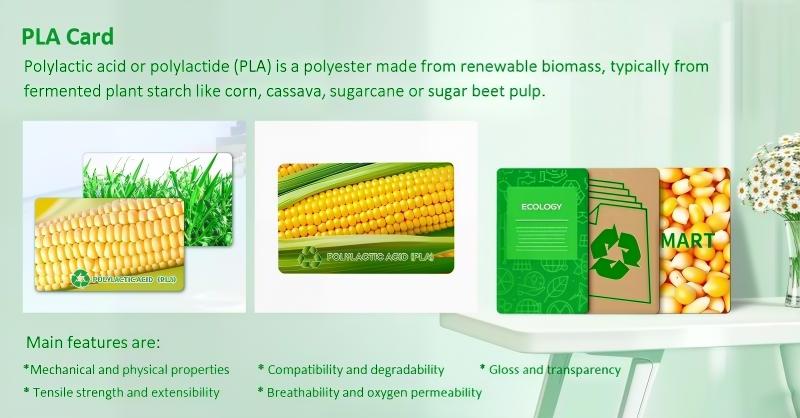
حمض البوليلاكتيك (PLA): خيار صديق للبيئة
مادة PLA هي بلاستيك قابل للتحلل الحيوي مصنوع من مصادر متجددة مثل نشا الذرة أو قصب السكر.
الخصائص الرئيسية:
• منتج حيوي وقابل للتحلل الحيوي بنسبة 100% (في الظروف الصناعية)
• بصمة كربونية أقل من البلاستيك التقليدي
• متانة متوسطة
أين يكون أداؤه أفضل:
• تذاكر الفعاليات (المهرجانات، المعارض)
• بطاقات دخول قصيرة الأجل
• العلامات التجارية والحملات الصديقة للبيئة
في اختباراتنا، بطاقات PLA تؤدي أداءً جيدًا في المشاريع ذات دورة الحياة القصيرة، لكنها ليست مثالية للاستخدام طويل الأمد في البيئات القاسية.
PET: موثوق وفعال من حيث التكلفة
مادة PET (بولي إيثيلين تيريفثالات) هي مادة بلاستيكية شائعة الاستخدام ومعروفة بقوتها وثباتها.
الخصائص الرئيسية:
• مقاومة درجات الحرارة العالية
• خصائص ميكانيكية قوية (قوة تحمل الصدمات من 3 إلى 5 أضعاف مقارنة بالمواد القياسية)
• جودة طباعة ممتازة
• مقاومة كيميائية جيدة
أين يكون أداؤه أفضل:
• بطاقات النقل
• بطاقات التحكم في الوصول طويلة الأجل
• التطبيقات الصناعية
في اختباراتنا، أثبتت بطاقات PET أنها تتحمل الحرارة والتعامل المتكرر بشكل جيد، مما يجعلها خيارًا افتراضيًا آمنًا لمعظم المشاريع.
البولي كربونات: ممتاز وعالي الأمان
البولي كربونات هو مادة بلاستيكية حرارية عالية الأداء تُستخدم في التطبيقات الصعبة.
الخصائص الرئيسية:
• مقاومة عالية للغاية للصدمات
• متانة وعمر افتراضي ممتازين
• يدعم النقش بالليزر
• خصائص قوية مضادة للتلاعب
أين يكون أداؤه أفضل:
• بطاقات الهوية الحكومية
• رخص القيادة
• بطاقات مصرفية أو بطاقات عالية الأمان
وجدنا أن استخدام الحاسوب الشخصي غالباً ما يكون مبالغاً فيه للاستخدام التجاري القياسي، ولكنه ضروري حيث يكون الأمن وطول العمر أمراً بالغ الأهمية.
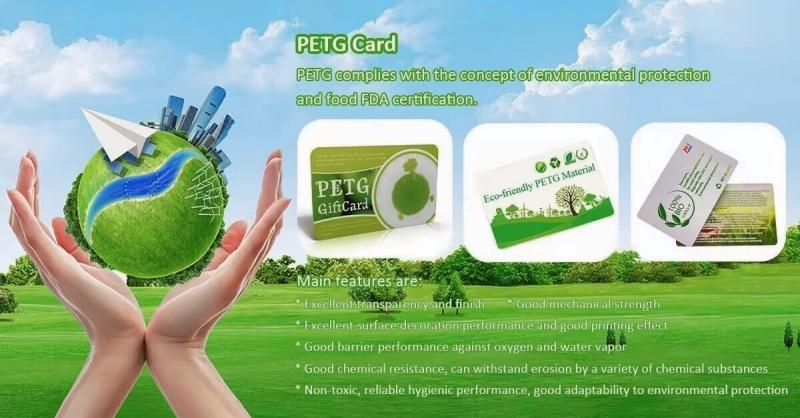
PET-G: أداء متوازن واستدامة
PET-G هو بوليستر معدل يتفوق على PET القياسي من حيث المرونة وأداء المعالجة.
الخصائص الرئيسية:
• مقاومة كيميائية قوية
• شفافية ولمعان جيدان
• قابلة لإعادة التدوير وصديقة للبيئة نسبياً
• متين ولكنه فعال من حيث التكلفة
أين يكون أداؤه أفضل:
• بطاقات العضوية
• بطاقات مفاتيح الفنادق
• بطاقات ولاء متاجر التجزئة
وجدنا أن مادة PET-G توفر توازناً جيداً جداً بين التكلفة والمتانة والمظهر، خاصة بالنسبة للمشاريع متوسطة المدى.
مادة | الاسم الكامل | أفضل حالات الاستخدام | الميزة الرئيسية |
جيش التحرير الشعبي | حمض البوليلاكتيك | فعاليات، بطاقات قصيرة الأجل | قابل للتحلل الحيوي |
PET-G | بولي إيثيلين تيريفثالات جلايكول | العضوية، بطاقات الفنادق | أداء متوازن |
حيوان أليف | بولي إيثيلين تيريفثالات | النقل، التحكم في الوصول | قوي ومستقر |
PC | البولي كربونات | الهوية الحكومية، الخدمات المصرفية | الأمان والمتانة |
كيفية اختيار المادة المناسبة
بدلاً من التركيز على السعر فقط، من الأفضل مطابقة المادة مع سيناريو الاستخدام الفعلي الخاص بك.
للمشاريع قصيرة الأجل
اختر PLA
التسويق البيئي مهم
تُستخدم البطاقات مرة واحدة أو لفترة محدودة
للاستخدام التجاري اليومي
اختر PET-G أو PET
PET-G → مظهر أفضل ومرونة أكبر
البولي إيثيلين تيريفثالات (PET) ← أقوى وأكثر فعالية من حيث التكلفة
للبيئات القاسية
اختر بين البولي إيثيلين تيريفثالات (PET) أو البولي كربونات (PC).
درجة حرارة عالية
الانحناء المتكرر أو الاحتكاك
لأمن عالي
اختر جهاز كمبيوتر
مكافحة التزييف ضرورية
عمر افتراضي طويل (5-10 سنوات)
عوامل إضافية يجب مراعاتها
متطلبات الطباعة: يوفر كل من البولي إيثيلين تيريفثالات (PET) والبولي إيثيلين تيريفثالات المغلف بالجرافيت (PET-G) دقةً أفضل في إعادة إنتاج الألوان. يدعم البولي كربونات (PC) النقش بالليزر، ولكنه أقل مرونةً للطباعة القياسية.
قيود الميزانية: إذا كانت التكلفة مهمة، فإن مادة البولي إيثيلين تيريفثالات (PET) عادة ما تكون الخيار الأكثر أمانًا.
تحديد الموقع البيئي: إذا كانت علامتك التجارية تركز على الاستدامة، فإن PLA أو PET-G أكثر توافقاً مع ذلك.
عمر البطاقة
اسأل نفسك: هل ستُستخدم هذه البطاقة لأيام، أم شهور، أم سنوات؟
الخاتمة
لا توجد مادة واحدة "أفضل" لبطاقات RFID، بل توجد فقط المادة الأنسب لتطبيقك.
جيش التحرير الشعبي مثالي للاستخدام قصير المدى الذي يركز على الاستدامة
PET-G يوفر توازناً قوياً في معظم حالات الأعمال
حيوان أليف موثوق به وقابل للتطبيق على نطاق واسع
PC مخصص للسيناريوهات عالية المستوى والأمان
إذا كنت غير متأكد، فاتصل بنا اليوم وسنساعدك في اختيار المواد المناسبة لمشروعك.




 شبكة IPv6 مدعومة