حققت أساور تحديد الهوية بموجات الراديو نجاحًا باهرًا لمهرجاننا! تم مسح 30,000 شخص داخلًا وخارجًا في أقل من ساعتين، دون أي حشود أو طوابير طويلة. ووصف فريق الأمن لدينا عملية الدخول بأنها "الأسهل على الإطلاق".
جيمي - مدير الفعاليات في مهرجانات سونيك
في عصر الثورة الصناعية الرابعة، تُعدّ البيانات شريان الحياة لسلسلة التوريد العالمية. ومع ذلك، بالنسبة للعديد من مديري الخدمات اللوجستية، فإن قرارًا بسيطًا لا يتجاوز 0.10 دولار - اختيار ملصق RFID قياسي - يُسبب لهم مشاكل بملايين الدولارات.
في القطاعات الصناعية، نادراً ما يكون "فشل القراءة" مجرد خلل عابر، بل هو ثغرة في البيانات. فعندما يتعطل جهاز التتبع بسبب تداخل المعادن أو التآكل الكيميائي، تتجاوز تكلفة التوقف عن العمل الناتجة بكثير الاستثمار الأولي في الأجهزة.
يستكشف هذا الدليل لماذا تعتبر البيئات الصناعية "مقبرة" ملصقات RFID القياسية وكيفية تصميم حل مرن.
فيزياء الفشل: لماذا تفشل الملصقات القياسية
في بيئات البيع بالتجزئة الخاضعة للرقابة، تُعدّ تقنية تحديد الهوية بموجات الراديو (RFID) بسيطة. أما في البيئات الصناعية، فتُشكّل قوانين الفيزياء تحديًا. ثلاثة عوامل رئيسية تؤدي إلى اختلال دقة تقنية RFID وتلفها المادي:
انعكاس المعدنتعكس المعادن طاقة الترددات اللاسلكية وتُحدث تيارات دوامية، مما يُلغي الإشارة بين قارئ البطاقات وهوائي البطاقة. وضع شريحة قياسية مباشرةً على عارضة فولاذية يُؤدي إلى انعدام نطاق القراءة.
التآكل الكيميائي والأشعة فوق البنفسجيةغالباً ما تفشل الطباعة الحرارية التقليدية في البيئات الخارجية أو الصناعية. وقد شهدنا حالاتٍ تُزال فيها بطاقة التعريف المرئية المطبوعة بفعل الاحتكاك أو تذوب بفعل المذيبات، مما يجعل البطاقة غير صالحة للاستخدام كنسخة احتياطية قابلة للقراءة البشرية.
رؤى الخبراءتستخدم العلامات الحديثة عالية المتانة الآن تقنية الطباعة تحت الفيلم لضمان بقاء الرمز الشريطي والنص في حالة ممتازة حتى بعد سنوات من الاحتكاك الميكانيكي.
التمدد الحراري: في ورش طلاء السيارات أو دورات التعقيم، تفشل المواد اللاصقة القياسية، ويؤدي اختلاف معدلات التمدد بين الشريحة والهوائي إلى حدوث كسر داخلي.
هندسة الحل: علم المواد في مواجهة البيئة
يُعد اختيار الغلاف المناسب لشريحة RFID مسألة تتعلق بعلم المواد. لا يزال بروتوكول EPCglobal Gen2 (ISO 18000-6C) هو المعيار، لكن التغليف يختلف اختلافًا كبيرًا:
مقاومة عالية للحرارة والمواد الكيميائية
في البيئات التي تتجاوز درجة حرارتها 150 درجة مئوية، يُستبدل البولي إيثيلين تيريفثالات (PET) القياسي بالبولي فينيل سلفيد (PPS) أو السيراميك. يوفر التغليف بالبولي فينيل سلفيد (PPS) إحكامًا تامًا للهواء، وهو مقاوم للأحماض والتنظيف بالبخار عالي الضغط.
الهندسة على المعدن
للتغلب على تداخل المعادن، نستخدم علامات RFID المعدنيةوتشمل هذه المكونات فاصلًا عازلًا يخلق فجوة مادية، مما يسمح للهوائي "بالتنفس" والحفاظ على استقرار RSSI حتى عند تثبيته على الآلات الثقيلة.
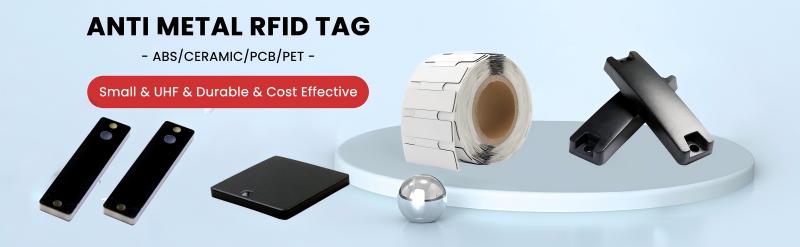
مقارنة فنية: اختيار "الدرع الصناعي" الخاص بك
ميزة | لوحة دوائر مطبوعة متينة / علامة FR4 | بطاقة تعريف الترددات اللاسلكية الخزفية | ملصق مغلف بغشاء رقيق |
الأفضل لـ | الآلات الثقيلة والأدوات | تتبع الأصول الصغيرة (الأدوات) | الخدمات اللوجستية الخارجية / المنصات |
متانة | تأثير عالي / اهتزاز | مقاوم للحرارة والمواد الكيميائية | مقاوم للاحتكاك والأشعة فوق البنفسجية |
التركيب | براغي / مسامير برشام / 3M VHB | لاصق صناعي | لاصق عالي الالتصاق |
نطاق القراءة | يصل مداه إلى 10 أمتار (UHF) | قصير إلى متوسط (2-4 أمتار) | مدى طويل (8-12 متر) |
حماية | IP68 / IP69K | IP68 | IP67 (مقاوم للعوامل الجوية) |
المشتريات الاستراتيجية: مصفوفة اتخاذ القرار بين الشركات
عند البحث عن علامات RFID لأسواق الاتحاد الأوروبي أو الولايات المتحدة، قم بتقييم المورد بناءً على التخصيص الخاص بالتطبيق:
اختيار الشريحة: بناءً على متطلبات بياناتك، هل تحتاج إلى حساسية عالية للقراءة المجمعة، أم إلى شريحة ذات ذاكرة مستخدم عالية لسجلات الصيانة غير المتصلة بالإنترنت؟
ثبات الصورة: تأكد من أن موردك يقدم خدمة الطباعة تحت الفيلم. فهذا يمنع تلف البيانات الباهتة في البيئات الخارجية أو ذات الاحتكاك العالي.
هندسة المواد اللاصقة: الرابطة لا تقل أهمية عن الشريحة نفسها. اطلب إجراء اختبارات محددة للبلاستيك ذي الطاقة السطحية المنخفضة أو المعادن الزيتية.
الأسئلة الشائعة: إجابات الخبراء حول تقنية تحديد الهوية بموجات الراديو الصناعية
س1: لماذا لا يمكنني استخدام ملصق بلاستيكي أكثر سمكًا على المعدن؟
لا يتعلق الأمر بالسُمك، بل بالمجال الكهرومغناطيسي. فبدون فاصل أو هوائي مُصمم خصيصًا لمقاومة المعادن، سيظل المعدن يُسبب قصرًا في إشارة الترددات اللاسلكية. أنت بحاجة إلى علامة مُصممة خصيصًا للتركيب على المعدن.
س2: ما هي فائدة الطباعة تحت الفيلم؟
في مجال الخدمات اللوجستية الصناعية، تتعرض البطاقات التعريفية للاحتكاك والصدمات بشكل متكرر، مما يؤدي إلى تلاشي الطباعة السطحية القياسية بسرعة. أما في هذه الحالة، فتتم حماية المعرف المرئي من خلال طباعة المحتوى خلف طبقة واقية، باستخدام نفس المادة التي تحمي الهوائي.
الخلاصة: تبدأ سلامة البيانات من المصدر
في ظلّ الواقع العملي الصارم للعمليات الصناعية، تُشكّل بطاقة تعريف الترددات اللاسلكية (RFID) خط الدفاع الأول لبياناتك. من خلال إعطاء الأولوية لعلم المواد والهندسة المُراعية للبيئة على حساب التسعير السلعي، تضمن عائد استثمارك وتُؤمّن "توأمًا رقميًا" سلسًا لأصولك المادية.
هل تواجهون تحدياً بيئياً محدداً في منشأتكم؟ [تواصلوا مع فريقنا للحصول على نموذج مناسب لقطاعكم.]





 شبكة IPv6 مدعومة